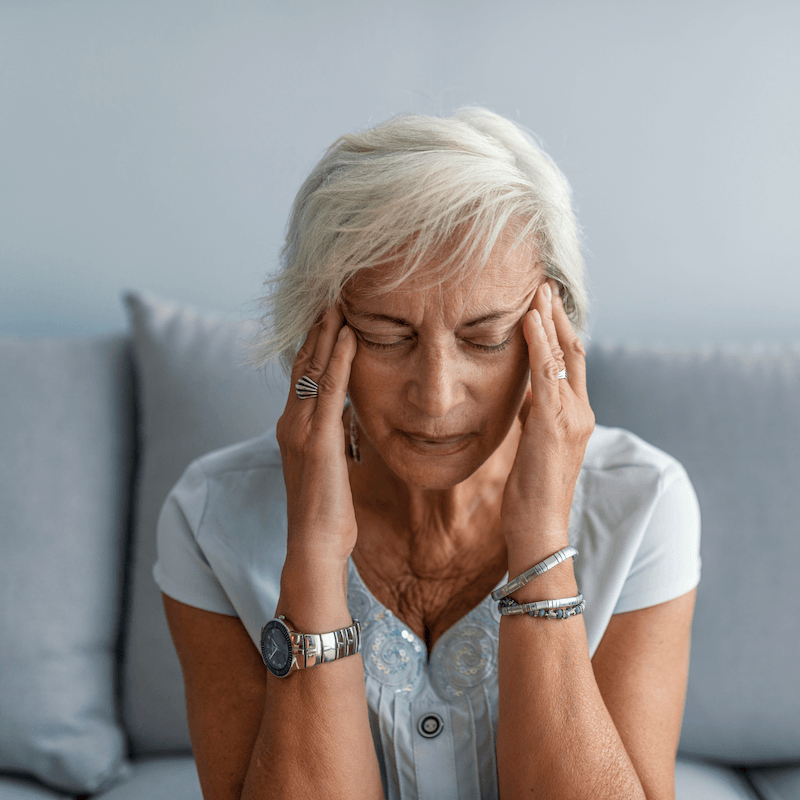
Not all migraine episodes involve throbbing head pain, as a vestibular migraine primarily compromises balance, motion sensitivity, and spatial stability. Our ENT practice evaluates recurrent dizziness to diagnose whether a vestibular migraine or an alternative balance disorder is the primary cause. Securing effective migraine treatment requires identifying your specific symptom profile and discussing those details thoroughly with your physician.
Differentiating Vestibular Migraine From Classic Migraine Attacks
Vestibular migraine and typical migraine are part of the same neurological disease spectrum, but their most noticeable symptoms differ. A classic migraine episode characteristically features moderate to intense cephalalgia that is unilateral, throbbing, and worsened by routine physical movement. Associated features like nausea, pronounced light and sound sensitivity, and visual aura commonly accompany standard head pain.
The primary presentation of vestibular migraine encompasses episodic vertigo, subjective dizziness, gait imbalance, and motion sensitivity. Patients may experience coexisting head pain, but headache is not an obligatory component of every vestibular episode. Clinical episodes frequently provoke an illusion of environmental rotation, motion-provoked unsteadiness, and visual distress in high-stimulus settings.
Clinically documented vestibular episodes usually persist for a duration between five minutes and 72 hours. Because attack characteristics can change over time, recognizing a migraine etiology is often harder than diagnosing recurring headaches.
What Disorders Cause Vestibular Migraines?
Vestibular migraine does not arise from a single isolated health condition. The condition appears to involve overlapping brain pathways that process migraine pain and vestibular information from the balance system. A personal or family history of migraine and longstanding motion sensitivity may increase susceptibility.
Documented physiological triggers include:
- Fluctuating sleep cycles or significant sleep deficits
- Irregular nutritional intake, skipped meals, and dehydration
- High emotional stress levels or post-stress relaxation periods (“weekend migraine”)
- Estrogen shifts associated with menstruation, pregnancy, or hormone therapies
- High-contrast visual patterns, strobe effects, or glaring light environments
- Rapid vehicle motion, vestibular acceleration during transit, or digital screen scrolling
- Ingestion of alcoholic beverages, artificial sweeteners, or patient-specific dietary triggers
- Barometric weather fluctuations, seasonal shifts, or compounded sensory overstimulation
Recognizing the Signs: Vestibular vs. Typical Migraine Attacks
While recurrent head pain defines typical migraines, the full spectrum of migraine symptoms extends beyond localized discomfort. Manifestations frequently involve nausea, emesis, classic visual scotomas, lethargy, cognitive fog, cervical tension, and intolerance to lights, sounds, or odors.
The clinical presentation of vestibular migraine may feature:
- True rotational vertigo or generalized non-rotational vertigo sensations
- Chronic postural instability, dysequilibrium, or sudden loss of balance
- Vestibular dizziness elicited by vertical or horizontal head motion
- Gastrointestinal nausea provoked by physical movement or riding in vehicles
- Intolerance to optic flow, including digital screens, moving highway traffic, crowded venues, or striped patterns
- A sensation of rocking, tilting, floating, or being pulled
- Light, sound, or visual sensitivity
- Sensations of internal head fullness, tight cranial pressure, or full-blown migraine cephalalgia
- Temporary ear pressure, fullness, or ringing
Identifying the specific temporal pattern, duration, and triggers helps clinicians distinguish vestibular migraine from other balance conditions. New dizziness with weakness, numbness, difficulty speaking, double vision, fainting, or an inability to walk requires urgent medical assessment.
The Coexistence of Vestibular Migraine and Typical Migraine Episodes
Indeed they do. A patient can experience debilitating vertigo and a throbbing migraine headache concurrently in the same episode. Vertigo can herald the onset of headache, accompany active head pain, persist after the pain subsides, or present during an isolated, headache-free attack. Many individuals alternate between headache-dominant and balance-dominant presentations over months or decades.
It is not necessary for a vestibular episode to involve headache pain to be directly tied to migraine disease. Recording daily symptoms in a log can uncover clinical links and triggers that are difficult to recall in retrospect. Be sure to log the onset and duration of dizziness, headache severity, sensory changes, menses, sleep quality, dietary intake, identified triggers, medications taken, and treatment responses. These objective records provide invaluable diagnostic clarity during your comprehensive evaluation.
Establishing a Vestibular Migraine Diagnosis: Testing and Criteria
No single blood test, scan, or balance test confirms vestibular migraine. Clinical assessment begins with a meticulous clinical history exploring episode traits and personal migraine patterns with or without aura. Established diagnostic criteria demand at least five moderate or severe balance episodes lasting five minutes to 72 hours, with concurrent migraine symptoms present in at least half of them.
Our clinical evaluation includes targeted neurological exams, oculomotor testing, middle-ear inspections, diagnostic audiometry, and specialized balance studies. Tailored to your clinical needs, diagnostic protocols can incorporate pure-tone audiograms, positional testing, specialized vestibular studies, or MRI scans. These evaluations provide the objective data needed to isolate or rule out alternative medical issues causing comparable dizziness. This clinical diagnosis is finalized only when your symptom history matches validated criteria and no other vestibular disorder better accounts for the findings.
Clinical Management and Treatment Options for Vestibular Migraines
Management is customized for each patient depending on attack frequency, degree of disability, headache status, underlying conditions, and medication safety profiles. Patients generally experience the most robust improvement by utilizing both daily prophylactic strategies and targeted abortive medications during flares.
We develop an individualized treatment regimen which may feature:
- Implementing disciplined daily habits including consistent sleep schedules, regular nutrition, hydration, and exercise
- Identification and reduction of consistent personal triggers
- Integrating mindfulness, cognitive behavioral therapy, or structured stress-reduction techniques
- Implementing appropriate antiemetic prescriptions to alleviate severe nausea during attacks
- Controlled, short-term administration of vestibular suppressants during acute, disabling attacks
- Preventive pharmacological agents like beta-blockers, calcium channel blockers, topiramate, targeted antidepressants, or modern migraine therapies
- Customized vestibular rehabilitation therapy to address persistent disequilibrium and visual motion intolerance
These medications are reserved for acute use only, as chronic ingestion triggers drowsiness and suppresses natural vestibular compensation within the brain. Medication strategies must be tailored with your physician rather than adapted from friends or family members with migraines. Achieving optimal symptom control typically demands careful dose titration and continuous symptom tracking over time.
Arrange an Otolaryngology Balance Assessment
If recurring vertigo, motion sensitivity, or imbalance is disrupting daily life, schedule an evaluation with us. Your appointment involves analyzing your migraine history, medical background, and lifestyle goals, followed by clinical testing to separate vestibular migraine from conditions like BPPV or Ménière’s disease. Contact our ENT clinic today to schedule your vestibular migraine appointment.