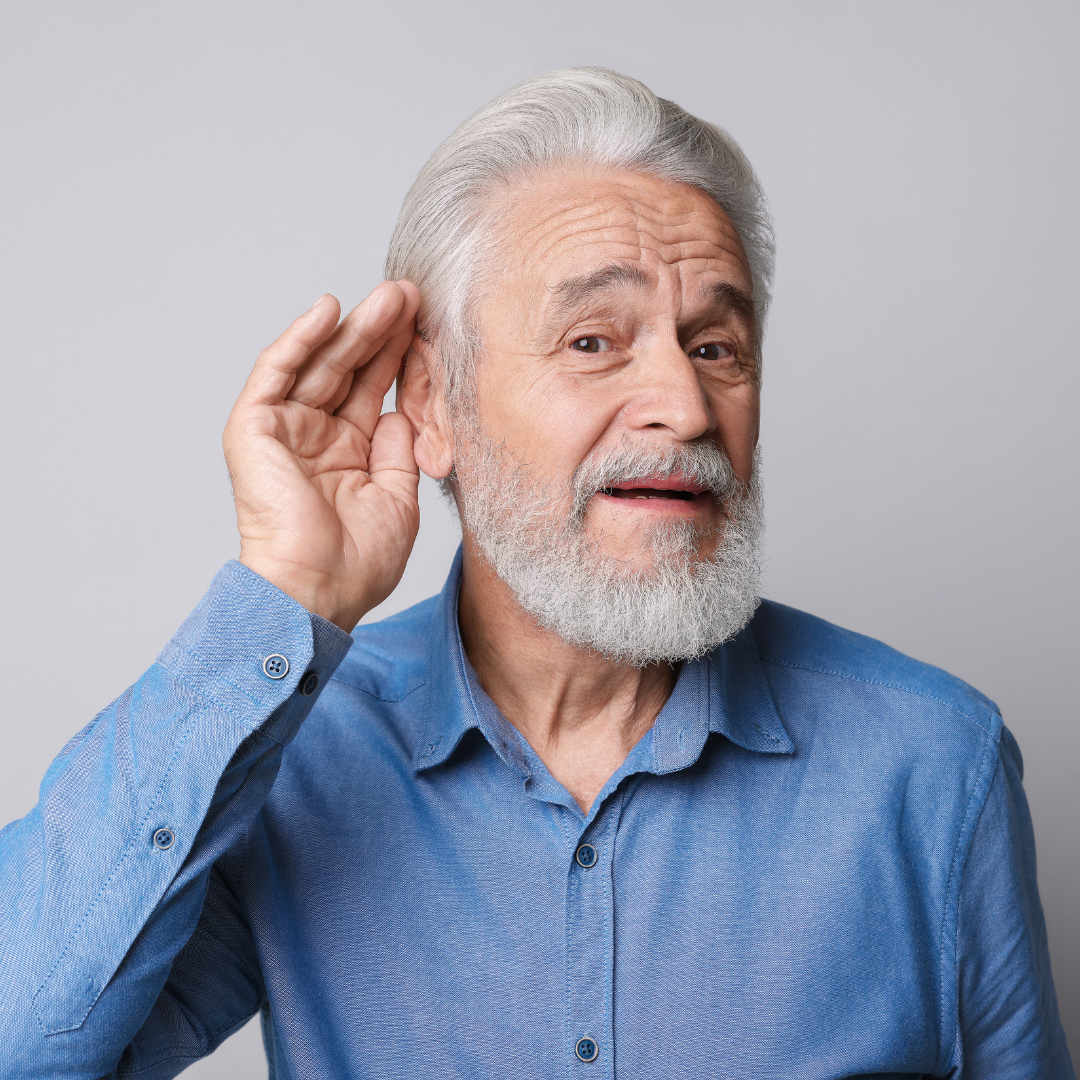
An abrupt decrease in unilateral hearing acuity can feel alarming, often leaving individuals uncertain about what action to take. Our clinical team conducts same-day diagnostic hearing evaluations and streamlines collaborative medical care following sudden auditory changes. Rapid-onset sudden hearing loss mandates swift clinical attention from an audiologist or physician to explore prompt treatment or auditory rehabilitation.
Is Sudden Deafness in One Ear Considered a Medical Emergency?
Yes. Sudden hearing loss in one ear should be treated as a medical emergency, particularly when it develops within hours or over a few days. Known medically as sudden sensorineural hearing loss or sudden deafness, this emergency involves the sensory labyrinth or central auditory neural pathways. The condition typically develops painlessly, leading many patients to confuse it with sinus congestion, fluid, or a plugged ear canal.
Potential signs of this condition include:
- A sudden degradation of hearing volume or clarity affecting a single ear
- Difficulty hearing through one ear during a phone call
- A noticeable pop or sudden sensation of aural pressure just before hearing drops
- New ringing, buzzing, or roaring in the affected ear
- Balance disturbances, postural unsteadiness, or acute vestibular vertigo
Do not adopt a wait-and-see strategy hoping the auditory deficit corrects itself. Connect with our clinical team, a local urgent care center, or an ENT specialist for urgent, same-day assessment.
Why Rapid Clinical Intervention Matters for Sudden Unilateral Hearing Loss
Rapid diagnostic assessment matters tremendously because medical management of sudden sensorineural hearing loss is most effective during the initial window. We will first need to determine whether the change is conductive, meaning sound is blocked by earwax, fluid, or another outer- or middle-ear problem, or sensorineural, meaning the inner ear or auditory nerve is affected. These conditions can feel similar but require different care.
Direct otoscopic visualization and a comprehensive diagnostic hearing test precisely establish the underlying type, audiometric configuration, and severity of the loss.
Contact emergency medical services immediately if sudden auditory decline presents alongside:
- Acute facial asymmetry, motor weakness, or cranial nerve numbness
- Inability to formulate words, sudden mental confusion, or a severe, atypical headache
- Acute visual disturbances, fainting spells, or marked ambulatory unsteadiness
- Sudden chest pain or clinical hallmarks of a systemic medical crisis
Such clinical findings often indicate an urgent vascular or central neurological emergency that cannot wait for an outpatient appointment.
What Triggers Sudden Deafness in a Single Ear?
For the vast majority of patients with sudden sensorineural hearing loss, the exact etiology remains idiopathic. If an underlying cause is identified, it typically entails tissue inflammation, physical injury, microcirculatory failure, autoimmune disease, or specific cochlear nerve disorders.
Common clinical factors include:
- Systemic or localized viral and bacterial infections
- Head trauma or exposure to an intense sound
- Autoimmune inner ear disease or systemic inflammatory disorders
- Exposure to prescription ototoxic medications that harm cochlear hair cells
- Localized microvascular occlusions or compromised blood circulation
- Primary inner ear disorders, such as endolymphatic hydrops or Ménière’s disease
- Demyelinating neurological diseases like multiple sclerosis
- A benign neoplasm such as an acoustic neuroma along the hearing and balance nerve
Since presenting signs do not confirm the specific etiology on their own, obtaining a prompt examination and diagnostic audiologic testing is essential.
Treating Sudden Sensorineural Hearing Loss: Corticosteroids and Advanced Care
Systemic or topical corticosteroids represent the standard clinical intervention for idiopathic sudden sensorineural hearing loss. These medications may be prescribed orally or delivered through intratympanic injections across the tympanic membrane to access inner ear fluids directly. Clinical treatment pathways are determined by our specialists based upon presentation timing, loss magnitude, underlying health status, active prescriptions, and risk factors.
Steroids are typically administered within the first two weeks of onset, making it critical to begin medication as early as medically appropriate. Targeted intratympanic steroid injections are often indicated as salvage therapy when oral regimens fail to provide full auditory restoration. For specific candidates, a physician may recommend hyperbaric oxygen therapy in combination with aggressive steroid therapy.
Will Sudden Hearing Loss in One Ear Resolve Without Medical Treatment?
It is clinically possible for sudden sensorineural hearing loss to improve without active medical care. Epidemiological data suggests that approximately 50 percent of diagnosed patients recover partial or complete auditory sensitivity spontaneously, typically within the first fourteen days. However, modern medicine possesses no validated mechanism to determine early on which individuals will recover, what volume of sound will return, or if gains will endure.
The possibility that hearing might return spontaneously is never an acceptable reason to delay emergency treatment. Treatment becomes less likely to reverse permanent loss when it starts weeks after the change, so waiting may close an important treatment window. Auditory outcomes differ substantially among patients, ranging from full recovery to partial or minimal improvement.
Long-Term Solutions When Sudden Hearing Loss Does Not Recover
If hearing does not fully recover, the next step depends on how much hearing remains, how well the affected ear understands speech, and whether an underlying cause has been ruled out. We may advise undergoing an MRI with contrast or an auditory brainstem response test to inspect the integrity of the acoustic nerve and adjacent neurovascular structures.
Long-term audiological rehabilitation options include:
- Custom programming of a traditional hearing aid when the ear maintains usable acoustic thresholds
- A CROS system that sends sound from the poorer ear to the better ear
- Bone-conduction hearing implants or transcutaneous bone processors for suitable clinical patients
- Clinical cochlear implantation for candidates meeting criteria for profound unilateral deafness
- Assistive listening technology for work, school, or conversations
Engaging in audiologic rehabilitation can alleviate severe listening fatigue, train sound localization, and resolve ongoing communication challenges. The most suitable option depends on the hearing test results, daily needs, health history, and personal preferences.
Request a Same-Day Hearing Evaluation
If your hearing changed suddenly today or within the past few days, seek same-day medical guidance rather than waiting for a routine visit. Our clinical team will administer diagnostic hearing tests, analyze interaural differences, evaluate symptom onset chronology, and coordinate with an otolaryngologist or medical team immediately.
Reach out to our team immediately to request a prompt diagnostic hearing evaluation.