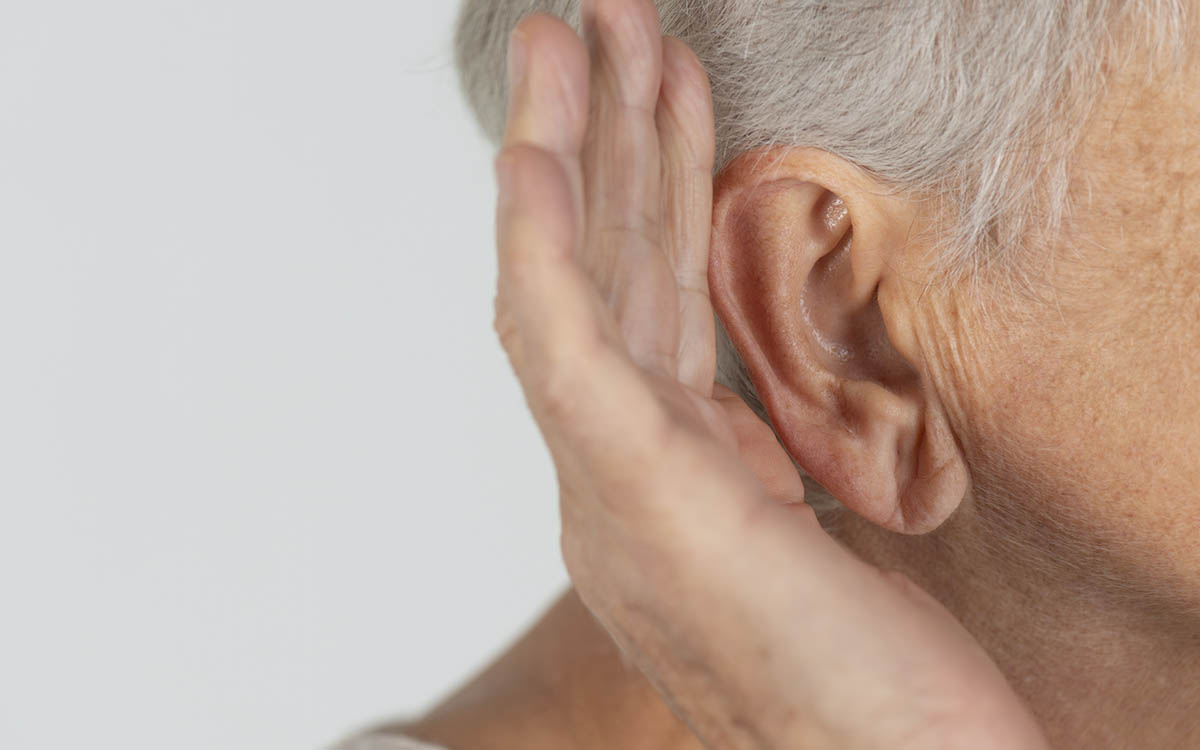
Public perception frequently ties hearing loss to senescence, though for a significant portion of the population, ear injury manifests significantly sooner. As one of the most prevalent and avoidable types of auditory impairment, noise-induced hearing loss typically progresses slowly, advancing subtly and remaining undiagnosed until the clinical effects are permanent.
Understanding how noise exposure impacts your ears over time can help you protect yourself prior to the onset of clinical hearing loss.
Pathophysiology of Sound-Induced Acoustic Injury
This form of hearing loss is precipitated by excessive acoustic energy damaging the fragile internal structures of the auditory system. According to the Centers for Disease Control and Prevention, sustained or frequent exposure to sounds exceeding 85 decibels, such as heavy traffic, can initiate auditory damage. Higher intensity sounds, including those generated by machinery, music venues, or firearms, may result in immediate damage.
The internal auditory system houses delicate sensory units termed hair cells. These cells convert sound vibrations into electrical signals that your brain interprets as sound. Because hair cells cannot repair or replace themselves once damaged, hearing loss resulting from noise is generally a permanent physiological state.
The Cumulative Development of Auditory Trauma
One of the most concerning aspects of noise-induced hearing loss is that it often develops slowly. Early exposure may cause symptoms like:
- Short-term episodes of Tinnitus or buzzing within the ears
- A feeling of muffled hearing after loud events
- Difficulty understanding speech in noisy environments
The cessation of these early symptoms often leads to the false perception that the auditory system has fully healed. Despite the lack of symptoms, persistent noise exposure causes cumulative injury to the ear, incrementally diminishing auditory acuity and threshold sensitivity.
Statistics from the HLAA suggest that 48 million Americans have some form of hearing loss, many unaware of the underlying cause.
Identifying Daily Sound Hazards Impacting Auditory Longevity
The prevalence of loud sounds in daily life often results in a dangerous desensitization to harmful noise levels. Consequently, the frequency of hazardous noise exposure is often underestimated.
Potential sources include:
- Professional music performances and concert environments
- Headphones played at high volumes
- Motorized landscaping equipment, power machinery, and vehicles
- Industrial workplace environments such as warehouses and construction sites
Because these sounds are often part of daily life, damage can accumulate without clear warning signs.
The Reason Proactive Safeguards Are So Important
In contrast to certain medical conditions, noise-induced hearing loss is characterized by its permanent nature. The condition is, however, susceptible to effective preventative strategies. Risk reduction can be achieved through fundamental protective habits, including:
- Using earplugs or noise-reducing earmuffs in loud environments
- Reducing personal audio volume and adhering to the 60/60 safety guideline
- Scheduled breaks from noise to facilitate ear recovery time
- Arranging for routine Audiology assessments if noise exposure is frequent
Criteria for Clinical Audiology Consultation
Should you experience persistent Tinnitus or a decline in conversational understanding, a professional evaluation is indicated. Prompt clinical evaluation is vital for tracking auditory status and formulating effective hearing preservation plans.
Prioritizing auditory health now ensures the preservation of hearing clarity for the future. Exposure to noise is frequent, yet hearing loss can be successfully avoided through proper care. We invite you to schedule an appointment with our team to optimize your hearing function.