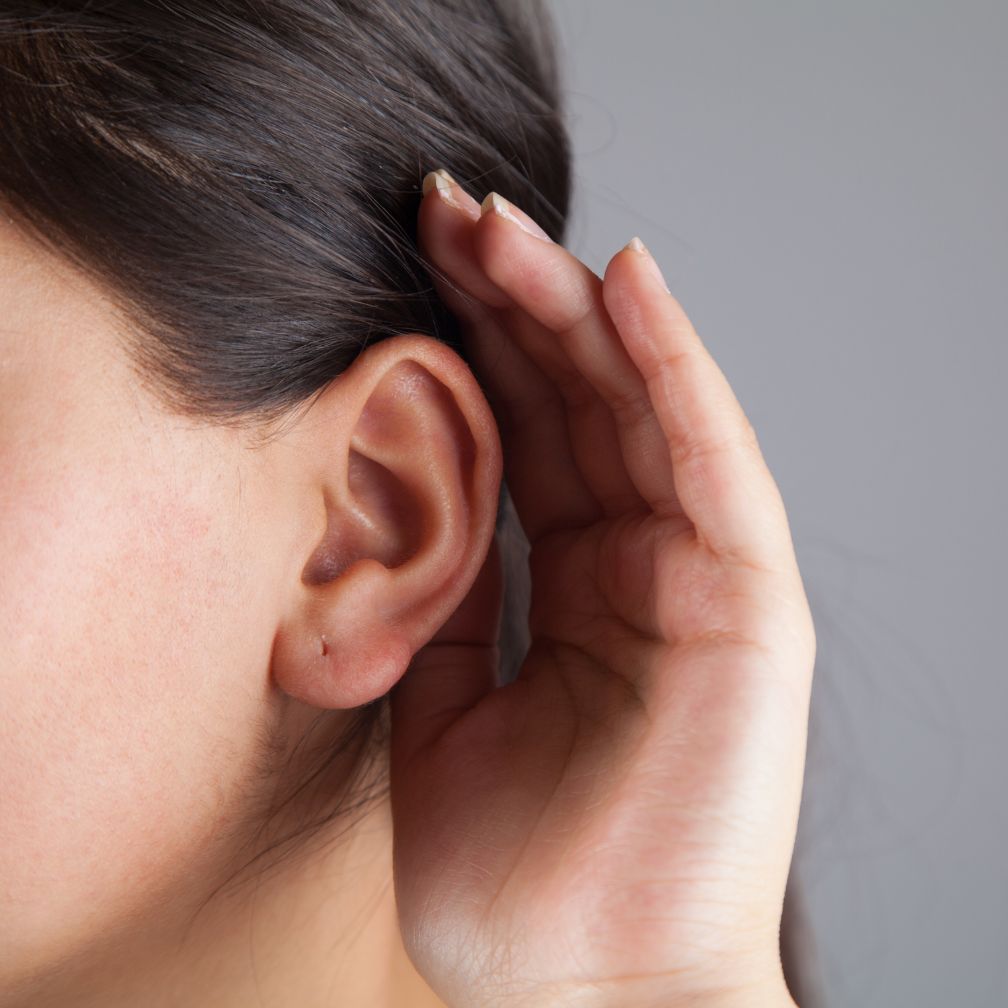
What is the source of that bizarre internal sound resembling continuous static or rushing wind inside your head? Why is this disruptive acoustic phenomenon completely silent to everyone else? This localized head noise is a genuine physiological event, not a trick of the mind.
Thankfully, this specific issue is distinct from “phantom ring syndrome,” a sensory misfire tied to device dependency where individuals constantly anticipate digital tones or alerts.
Instead, these persistent acoustic distortions are classic indicators of clinical tinnitus. To be perfectly clear, the frequency you are tracking is completely real, and specific environmental factors can actively exacerbate your tinnitus.
Even with this internal hum, your ears retain the capacity to process active human speech. Rather, it simply feels as though an unwanted layer of acoustic static has been artificially superimposed over your entire auditory field.
Let’s analyze the physical mechanisms behind this internal white noise, discover its underlying causes, and outline actionable strategies to suppress or resolve it.
Understanding Tinnitus: The Mechanics Behind Internal Head Static
In the vast majority of medical cases, this persistent internal static is a secondary symptom of sensorineural hearing loss. The condition presents as a continuous or episodic phantom frequency that overlays all external environmental sound. Depending on the exact etiology of your condition, the frequency may blend into the background for most of the day. Conversely, you may be trapped in a severe cycle where the internal static feels absolutely overwhelming, disrupting your concentration and peace of mind.
Most patients frequently fail to find words that accurately convey their struggle, because this subjective sensory deficit defies the imagination of anyone who has never lived it.
How can this humming noise in my head not be there? You may even question your own psychological stability, wondering if the condition is a form of auditory hallucination. It is deeply frustrating that an internal frequency can actively block your ability to understand clear speech from colleagues. Or completely sabotage your natural ability to fall into a deep, restorative sleep cycle?
What is the noise you hear when it’s quiet?
You have likely observed that as your immediate surroundings become increasingly silent, your perception of the tinnitus scales up dramatically. That’s because the noise you hear in your ears does not have to compete with any other sounds – for example, most people keep their bedrooms completely silent while they sleep at night. They choose to run no active entertainment devices, omit music, and enforce a strict policy of zero structural sound. Add to that the fact that you’re probably alone with your thoughts during this time, and when you start to notice the buzzing or humming in your ears, it turns into the only thing you can think about, making the symptoms seem even worse. Whether your condition presents as a faint hiss or a booming roar, a quiet nocturnal space creates a sensory vacuum that allows tinnitus to fully take control of your mind.
Is that weird sound like wind really tinnitus?
Describing this invisible impairment to a healthy individual is difficult enough, but navigating a conversation with a fellow tinnitus sufferer can introduce further confusion. Because their internal audio profile may feature entirely unique pitches or patterns compared to your own, you might mistakenly assume your specific condition has a different medical diagnosis.
Yet, despite these tonal differences, your underlying diagnosis remains highly probable. That’s because tinnitus takes many forms and sounds different to different people. Sufferers regularly document internal noises that encompass configurations such as:
- TV static
- A low-frequency, deep mechanical humming
- An active, vibrating internal buzz resembling an electrical current
- A persistent, thin ringing frequency that cuts through silence
- A blunt, repetitive thumping sequence inside the canal
- The unchanging pitch of a legacy phone line dial tone
With rare exceptions, this internal static is entirely subjective, meaning no outside observer can measure or perceive the sound. So if you ask a primary physician to confirm your symptoms, they probably can’t. The practitioner simply has to trust your diagnostic description, as there is no physical signal for them to measure.
Unfortunately, this clinical gap frequently leaves patients feeling misunderstood or dismissed by general practitioners who lack dedicated training in audiological medicine.
To illustrate, an industrial steelworker named Thomas shared his story: “The moment that intense ringing initiated, I consulted my family physician. While the physician did agree that it matched the description of tinnitus, he completely underestimated how exhausting the background noise was to my mental health. He discussed my condition as if the sound were merely a minor, imaginary inconvenience. He mistakenly believed I could simply choose to ignore the frequency and completely failed to provide any therapeutic pathways or solutions.”
Transitioning your care to an expert otolaryngologist eliminates this frustration, ensuring your symptoms are validated while mapping real-world treatments. Sometimes the sound itself can offer clues as to how to treat it.
Whooshing vs. Ringing: Identifying High-Risk Vascular Anomalies
Accurately communicating your history is inherently challenging because the disorder utilizes an incredibly vast array of acoustic profiles across different patients. For instance, if your internal static takes the form of a mechanical whooshing or rhythmic throbbing that mirrors the exact timing of your physical pulse, your diagnosis may be pulsatile tinnitus.
Fortunately, pulsatile tinnitus often yields a much higher cure rate than standard subjective tinnitus because it typically originates from identifiable structural health conditions, such as systemic hypertension or localized arterial narrowing.
This distinct vascular whooshing can stem from turbulent blood flow forcing its way through constricted cranial vessels, a physical phenomenon clinically identified as a bruit. Securing an immediate, thorough diagnostic evaluation for this pattern is vital; in rare instances, this vascular turbulence serves as an early indicator of an impending neurological crisis or ischemic stroke, both of which are life-threatening events.
When Your Phantom Noise Is Measurable to an Outside Observer
Make no mistake: tinnitus is a highly disruptive, legitimate medical disorder that inflicts significant stress on a patient’s routine. Although regular ringing escapes external tracking, unique objective cases allow an ear specialist to leverage diagnostic listening tubes to physically capture the precise internal sound passing through your tissue. Remember, this external diagnostic confirmation is exclusively possible within vascular profiles, which occur far less frequently than standard subjective ear ringing.
What Triggers the Ringing? Uncovering Your Personal Path of Injury
In most clinical case histories, the principal cause behind this internal static is a history of sustained exposure to hazardous noise levels. This pattern makes the condition an occupational hazard for musical performers, audio engineers, and workers across various trades who navigate intense decibel exposure shift after shift.
There are some professions that are loud enough to cause workers to develop tinnitus, such as:
- Factory Work – You’re around noisy machines all day long, so that’s got to do something with your senses, right? On top of the noise, factory work can be stressful, which is another factor that leads to tinnitus and, over time, can make it much worse. Do you work near a pneumatic riveter? They are some of the worst, clocking in at over 125 decibels, which is loud enough to cause immediate, permanent hearing loss, as well as severe cases of tinnitus.}
- Commercial Agriculture – Do not blame your symptoms on a standard rooster call. While a crowing rooster registers at a surprising 90 decibels, contemporary agricultural environments embed machinery that is vastly more destructive to human ears. Industrial tractors, heavy combine harvesters, automated cherry-pickers, and vacuum milking lines generate continuous, extreme noise pollution. Even routine maintenance tasks pose a threat; a standard workshop table saw easily exceeds 85 decibels, a level that permanently damages hearing cells over a long timeline of exposure.}
- Pilot – A jet engine is a staggering 140 decibels, even if you’re 100 feet away. While pilots do tend to wear ear protection, they’re often right next to these engines in smaller crafts. There’s no ear protection strong enough to protect them against this constant exposure, so all those hours spent in the air getting their pilot’s licenses are also causing them to slowly lose their hearing.}
- Motorcyclists and First Responders – Spending forty hours a week operating a high-performance motorcycle exposes your ears to severe engine rumble and punishing wind drag, a combination that guarantees the development of chronic tinnitus and gradual hearing loss. This same physiological damage occurs through the regular use of snowmobiles or watercraft, though most people only experience these noisy machines during weekend recreation rather than their daily job.}
- Nightlife and Hospitality Personnel – To fulfill your duties, you must accurately capture a patron’s drink order from across a crowded room. However, the ambient acoustics in modern nightclubs are set so high that discerning speech becomes a massive physical struggle, forcing your auditory cortex to work overtime against a wall of sound. If the venue hosts a live band or high-powered subwoofers, your inner ear suffers the exact same structural trauma experienced by the musicians on stage.}
The common denominator in all these jobs is that the delicate sensory hair cells within the inner ear have been bent or broken by continuous sound pressure. These specialized cells act as the body’s natural microphones, capturing frequencies and allowing your mind to comprehend speech and music. The critical issue is that these auditory hair cells cannot replicate or heal once they have been crushed by noise, resulting in lifelong hearing distortions and chronic tinnitus.
What makes this strange noise in my head worse?
Beyond direct exposure to loud volumes, specific lifestyle choices and physiological conditions can cause the white noise in your head to worsen.
- Mental Health Challenges – Living with generalized anxiety or depression creates a highly frustrating catch-22 scenario. The moment your stress or mood drops, your neurological sensitivity to the ear ringing spikes, which immediately causes your psychological distress to worsen in response.}
- Neglecting Auditory Self-Care – Your ear pathways signal distress through pain or fullness when environmental sound hits dangerous thresholds. Do not simply ignore the warning signs or push through the noise; prioritize ear protection, because your baseline hearing cannot be restored once it is lost.}
- High Blood Pressure – Unmanaged hypertension can cause severe micro-circulatory issues, starving your cochlear architecture of oxygenated blood. This fluid restriction causes an immediate surge in the loudness of your tinnitus and can compound your long-term hearing degradation if left untreated.}
- Nicotine Consumption – The intense neurological irritation and withdrawal anxiety you experience between cigarettes actively magnifies your perception of the ringing. While your immediate instinct may be to light another cigarette for relief, this choice simply worsens the underlying issue over time due to the severe vasoconstriction nicotine inflicts on your circulatory system.}
- Nutritional Choices – Certain dietary components, especially concentrated caffeine and chemical sweeteners, can irritate your nervous system and increase ear ringing. Implementing a daily food tracking journal allows you to monitor your chemical intake alongside your tinnitus levels to systematically discover your personal food triggers.}
- Toxic Relationships – Spending time around highly negative or stressful individuals can actively exacerbate your tinnitus by driving up your blood pressure, anxiety, and depression. You must critically evaluate relationships that introduce chronic emotional friction, deciding if those interactions are worth sacrificing your physical hearing health. Keep in mind that while you possess zero power to alter another person’s personality, you retain full authority to limit your exposure to them.}
- Pregnancy – Approximately one-third of women experience localized ear ringing during gestation, a phenomenon routinely triggered by shifting endocrine baselines and increased cardiovascular demands.}
- Cerumen Impaction – When old earwax migrates deep into the canal and impacts against the delicate eardrum, it can create a variety of unusual, scraping noises. Having that material safely extracted by a medical professional can completely stop the ear ringing on the spot.}
- Ototoxic Pharmaceuticals – A wide array of medications, including specific opiates, broad-spectrum antibiotics, loop diuretics, chemotherapy regimens, and even common over-the-counter NSAID painkillers, carry documented ototoxic side effects. It is highly recommended that you consult both an audiologist and your primary physician to thoroughly evaluate your current drug profile for ear risks.}
Overcoming the Static: Proven Therapeutic Approaches for Tinnitus Relief
If you suspect an underlying systemic pathology is driving your symptoms, consult with your managing physician immediately. Certain medical profiles act as direct amplifiers for ear static, especially chronic panic disorders or uncontrolled hypertension.
Once any known medical condition has been treated, it’s time to look at other options. Your rehabilitation roadmap can successfully integrate options like:
- Relaxation Practices – Engaging in deep meditation, mindfulness yoga, or low-impact exercise can significantly downregulate your body’s fight-or-flight triggers. Cultivating healthy, substance-free coping mechanisms for life’s pressures is a discipline few people acquire during childhood or standard schooling. Nevertheless, thousands of individuals choose to master these tools later in life because they are highly effective at quieting the internal static.}
- Using white noise to mask the sound while you sleep. White noise can offer immediate relief. Never try to drown the sound out with earbuds or with other loud noise exposure. That would only make the symptoms worse over time.}
- A hearing aid, which can be set to cancel the sound. Hearing aids today have advanced features like tinnitus cancellation. They can be programmed during the hearing aid fitting to emit a sound that cancels out the specific tone you hear.}
- Targeted Sound Therapy – This advanced treatment path focuses on neural habituation, teaching your brain to naturally dismiss the phantom signal. Sound professionals leverage specialized audio devices to play a matching tone directly into your ear canal. This continuous, low-level stimulation helps your cognitive processors relegate the ringing to the background, allowing you to refocus your attention on meaningful external sounds.}
- Cognitive Behavioral Therapy (CBT) – This specialized behavioral methodology gives patients the tools required to break free from anxious obsession and hyper-vigilance. If you are stuck in a habit of tracking negative life events or worrying about uncontrollable global issues, a CBT protocol can help. It provides the neurological retraining needed to anchor your focus on positive milestones and personal goals, effectively lowering the emotional stress that intensifies your ear ringing.}
Can listening to white noise help cure my tinnitus?
You’ve heard of fighting fire with fire, but what about fighting white noise with white noise? Data from a recent medical study in the UK confirmed that although white noise sound conditioners help patients manage their symptoms, maximum relief requires pairing the audio with targeted medical counseling.
There is currently no known cure for tinnitus – only treatments that can help you better manage your symptoms.
Faced with these options, what is the most logical next step for a patient seeking relief? Before initiating any treatment, you must undergo a formal, high-definition hearing assessment. You’ll find out how much it’s impacting your ability to understand when people speak. Following your exam, you will be prepped to map out an advanced, highly tailored recovery plan alongside your local hearing care physicians.
What if I hear music in white noise? Or voices or other things?
This probably isn’t tinnitus. Rest assured, this specific illusion does not indicate that you are developing schizophrenia, dementia, or any other central psychiatric illness. The scientific explanation for this sensory trick is a benign condition known as Musical Ear Syndrome, cross-sensory apophenia, or standard audio pareidolia. These illusions occur because your central nervous system relies heavily on advanced pattern recognition to constantly organize and decode ambiguous environmental noise. Consequently, when confronted with a steady, meaningless hum, your cognitive processing filters can accidentally misinterpret the data. For instance, pareidolia represents your mind’s natural habit of translating empty background sounds into a specific memory file, like a distinct musical rhythm. That said, if you hear detailed instruments or singing when the room around you is perfectly quiet, the symptom is classified as a distinct musical hallucination.