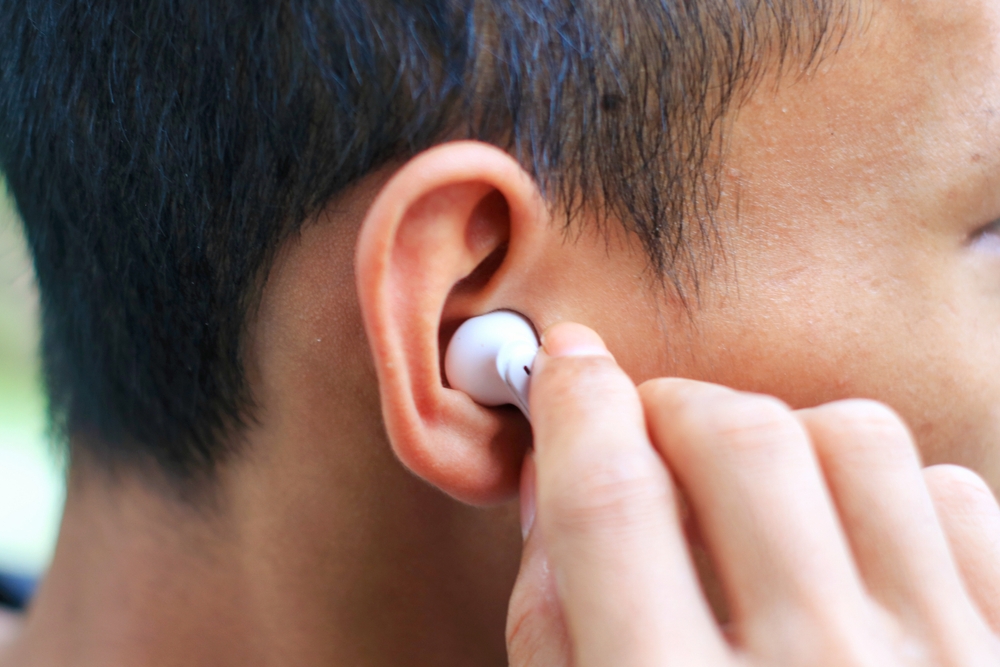
We seldom encounter a teenager or young adult who isn’t currently using a personal audio device. Even with their larger footprint, headphones remain a popular choice for teenagers looking to disconnect from the world. While acoustic enjoyment is universal across all ages, the youth population often utilizes music as a primary tool for time management. Does the immediate physical closeness of these transducers to our ears result in measurable hearing loss? Ultimately, hearing health depends on the management of volume and duration rather than the device category.
The Biological Threshold of Auditory Exposure
The psychological impact of music varies, serving to calm the nerves, provide emotional solace, or increase physiological arousal. Much depends on the rhythm and volume of the content being consumed. Using a headphone or an earbud is a polite way to listen without disturbing others. This behavior is socially beneficial, and commuters often report a preference for this shared auditory boundaries on public transit.
The primary clinical concerns center on the precise limits of sound pressure and the length of the listening session. The biological fact is that high-intensity sound waves are inherently damaging to the auditory system. When you listen for too long a time and at a very loud volume, you can irreparably damage your hearing. Hearing loss occurs gradually, so by the time you realize what’s happening, it may be too late.
The Key Dangers of Headphones and Earbuds
The intensity of the decibels is the leading risk factor for permanent auditory trauma. Yet, we must remember that the length of time spent listening is equally important as the decibel level.
- The National Institutes of Health advises that sounds under 70 decibels are generally safe for the human ear.
- There is a direct correlation between increased sound pressure and the speed of hearing degradation.
- Implement the 60/60 safety protocol by capping volume at 60% and taking a break every 60 minutes.
- Ensuring long-term hearing health requires a proactive reduction in volume and strict limits on listening time.
Recognizing the Symptoms of Auditory Damage
Experiencing aural fullness, persistent **tinnitus**, or difficulty deciphering dialogue in crowds suggests it is time for a clinical hearing test.
Reach out to our care team immediately if you are concerned about your current hearing sensitivity.