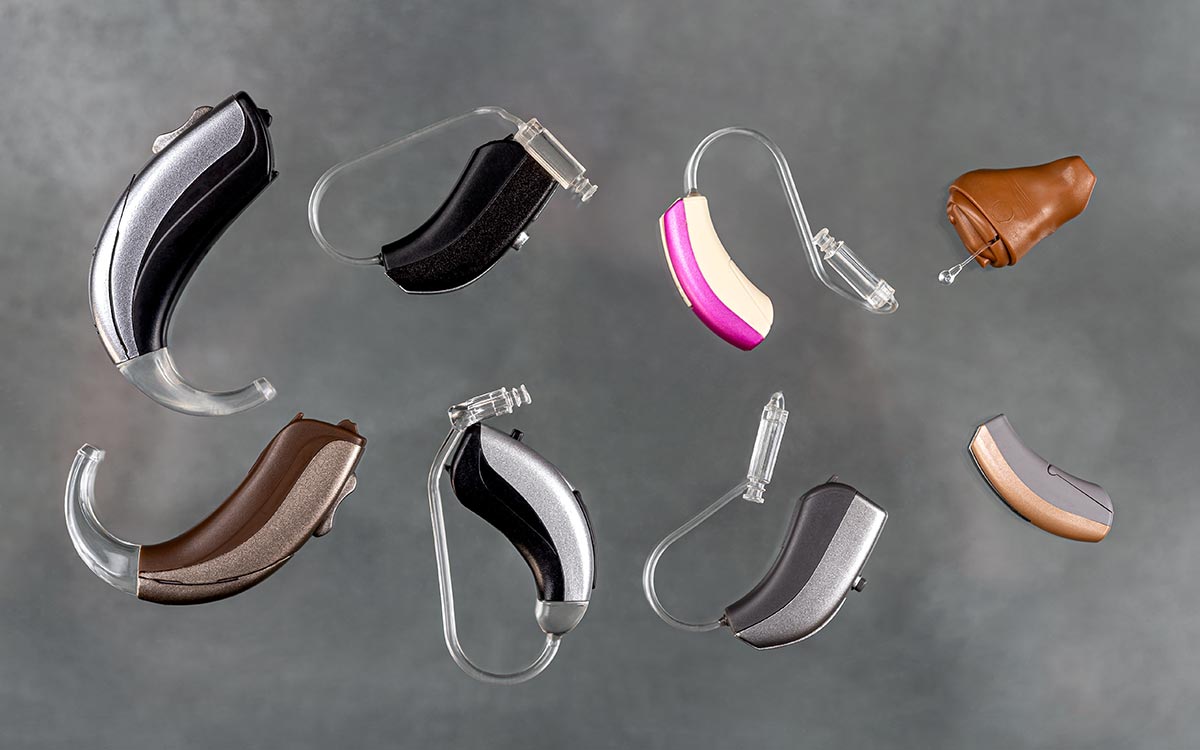
With so many choices in terms of dimensions, style, and technology, the process of picking an instrument can feel quite intense. Fortunately, there is a perfect hearing solution for every individual, regardless of their lifestyle or the severity of their hearing loss. Success rests in locating the specific aid that meets your personal preferences.
Understanding the distinctions among the most common types of hearing aids can help you feel more informed and confident as you explore your options. Today, we’re summarizing the various hearing aid styles and what makes each one unique.
In-the-Canal (ITC) Hearing Aids
The Meaning:
A custom device is designed to rest partially within the ear canal while showing just an inconspicuous section in the outer ear area.
Key Primary Features:
- Less apparent than conventional full-size models
- Individualized molding guarantees long-term wearing comfort
- Works well for individuals experiencing mild hearing challenges
ITC devices offer an excellent balance between visibility and functionality, making them an ideal choice for first-time users.
Exploring IIC (Invisible-in-Canal) Choices
Core Characteristics:
IIC hearing aids are the smallest custom design available. They rest deeply inside the ear canal and are virtually invisible when worn.
User Benefits:
- Offers the most understated look of any hearing aid style
- Microphone depth assists in mimicking the ear’s natural sound collection
- A feather-light design makes them easy to wear all day
Due to their small build, these aids are generally recommended for low-to-mid-range hearing loss and users who want total invisibility.
ITE (In-the-Ear) Model Overview
Product Details:
ITE hearing aids fill either the entire outer ear (full-shell) or the lower portion (half-shell). The shell is uniquely formed to the specific contours of your individual ear.
The Benefits:
- The larger size makes it possible to include more internal components and longer-lasting batteries
- Simpler to manage for those with dexterity challenges
- Capable of providing enough power for extreme hearing needs while remaining in-the-ear
Users regularly choose these models for their straightforward, single-piece construction that avoids any external wiring or tubing.
Behind-the-Ear (BTE) Hearing Aids
Functionality:
BTE hearing aids rest securely behind the ear. Audio travels into the ear canal through a small tube or custom earmold.
Reasons for Selection:
- Offers an enduring and flexible solution for various environments
- Work for almost all degrees of hearing loss
- Provide room for advanced features and rechargeable batteries
BTE devices are an excellent choice for individuals seeking reliability, ease of use, and strong amplification.
The RIC Style Analysis
Component Structure:
The RIC design keeps the main body behind the ear while moving the receiver into the ear canal itself.
Why they are popular:
- Provides an exceptionally clear and lifelike listening experience
- The ultra-thin design is both light and nearly effortless to wear
- Flexible enough to address an extensive number of hearing impairments
The combination of design and high-end performance makes RIC models a top choice in the modern market.
Understanding Long-Term Systems
Usage Summary:
These unique aids are built to stay in the ear canal for an extended period or more, managed by your hearing specialist.
Lifestyle Benefits:
- No routine insertion or removal
- Almost invisible
- Engineering allows them to remain in the ear during all facets of daily life
For an autonomous approach to hearing assistance, extended-wear technology is the top recommendation.
Smart Hearing Aids with Wireless
What they are:
Connectivity-focused hearing aids that utilize Bluetooth to integrate with your digital life.
Why people select them:
- Turn your hearing aids into wireless earphones for all your favorite audio
- Provides a discreet method to manage your hearing environment from your mobile screen
- Perfectly suited for the needs of an advanced, connected individual
Most contemporary RIC, BTE, and ITC hearing aids now provide an advanced version.
Surgically Placed Middle-Ear Systems
Technical Description:
An operatively implanted device that physically vibrates the middle ear bones to amplify sound.
Why implants are utilized:
- Provides a solution for patients with anatomy that prevents the use of conventional aids
- Pleasant alternative for chronic ear issues related to traditional devices
An exhaustive meeting with an ENT professional is necessary before considering an auditory implant.
Your Path to Improved Sound
Every hearing aid style provides its own advantages, and the right option depends on your level of hearing loss, comfort preferences, lifestyle, and cosmetic considerations. An audiology professional is your best resource for evaluating these options and finding an ideal choice for your daily routine.
Take the lead for your auditory health by booking a professional evaluation today. This simple action is the foundation for improved hearing and better connections with those around you.
Sources:
https://www.mayoclinic.org/diseases-conditions/hearing-loss/in-depth/hearing-aids/art-
20044116
https://www.hearinglife.com/hearing-aids/types
https://www.nidcd.nih.gov/health/hearing-aids